
My introduction to Berne's work happened in 1989, back in the USSR, when my father — a physics and math teacher — gave me a copy of "Games People Play" (Berne, 1964) for my ninth birthday1. The book amazed me because the author spoke in a language I understood, answering questions that had intrigued me for a long time. Previously, adults had dismissed these inquiries, claiming I would find out when I grew up, but I wanted answers immediately.
One pressing question stood out: Why have humans inhabited the planet for so long, yet never learned to live happily alongside one another? The text provided a direction for my thoughts. It became clear that schools fail to teach intimacy and genuine contact. Instead, education focuses on letters, numbers and competition, teaching us to defend ourselves and fear failure rather than fostering genuine connection.
Returning to the book periodically at different stages of my development, I eventually realized my desire to work in psychology and help others find happiness. It was a childhood dream to figure out that core question of human contentment. Unfortunately, pursuing this path was delayed as difficult times swept across my country.
Society, the economy and community relationships underwent a massive transformation. In essence, a real civil war erupted, leaving the population split and seething. The old systems broke down before new ones could be created. The socialist "we" was replaced by the capitalist "I," which did not quite fit either, leaving the nation and my family in a feverish state.
Fear was widespread, prompting my father to advise against psychology, which he deemed an impractical profession in the modern world. He urged me to think about the future and become a financier, a more reasonable choice at the time in his eyes. Years passed, and I became a successful, sought-after auditor for an international company. However, my heart remained unsatisfied, leading to tremendous discomfort on all levels.
Frequent illnesses plagued me during this period. To cope, I increasingly watched psychology programs and eagerly read magazines and popular books about the psyche. Although this mass-market material contained many distortions of real psychological knowledge, it offered some solace. For a while, I endured this internal discomfort, satisfied with mere crumbs.
Everything changed when my daughter was born, bringing a clear realization that I needed a completely different direction. Strangely enough, an advertisement for training in a Transactional Analysis (TA) group soon caught my eye. Without that childhood gift from my father, the ad would have meant nothing to me. Instead, it felt like returning home, reuniting with a good old friend or enjoying a warm meal at my grandmother’s house.
Embarking on my path as a TA specialist felt like taking a sip of spring water after a long journey on a hot day. During those early studies, physical books and articles were scarce. We wrote by hand from the teacher's dictation, passing knowledge by word of mouth, yet it brought an incomparable happiness. Seventeen years have passed since that transformative moment.
Today, I run my own school and a small association for helping professions in Russia while preparing for the Teaching and Supervising Transactional Analyst (TSTA) psychotherapy exam. Re-reading Berne's work from new perspectives remains a constant in my life. During my exam preparation, discovering that his ancestors hailed from my country brought me great surprise and joy.
Occasionally, reading his original English texts sparks frustration because his thoughts could be contradictory or left unfinished. In reality, this anger likely stems from a sense of loss; he left us too early, depriving subsequent generations of TA specialists of direct contact. At the same time, his genius and ability to describe complex concepts in a language understandable to a five-year-old continue to amaze me.
That simplicity is exactly why a nine-year-old could understand his ideas, shaping my life's trajectory. Reflecting on the roles of TA and Berne in my journey, his legacy frequently provides the sole source of strength. Navigating the turbulent 1990s, the rapid growth of the 2000s and today's unpredictable world is made possible through his foundational work.
Understanding how people organize their experiences and rely on life attitudes while simultaneously craving change keeps me afloat. Over the years, TA has fulfilled and strengthened a huge number of individuals in my practice. Ultimately, we must treat Berne's legacy with respect — rethinking rather than rejecting it, without distorting its primary meaning. By complementing and enriching his ideas, we can adapt the method to modern requirements, embracing the Eastern approach of respecting our roots, because the Parent is not bad.
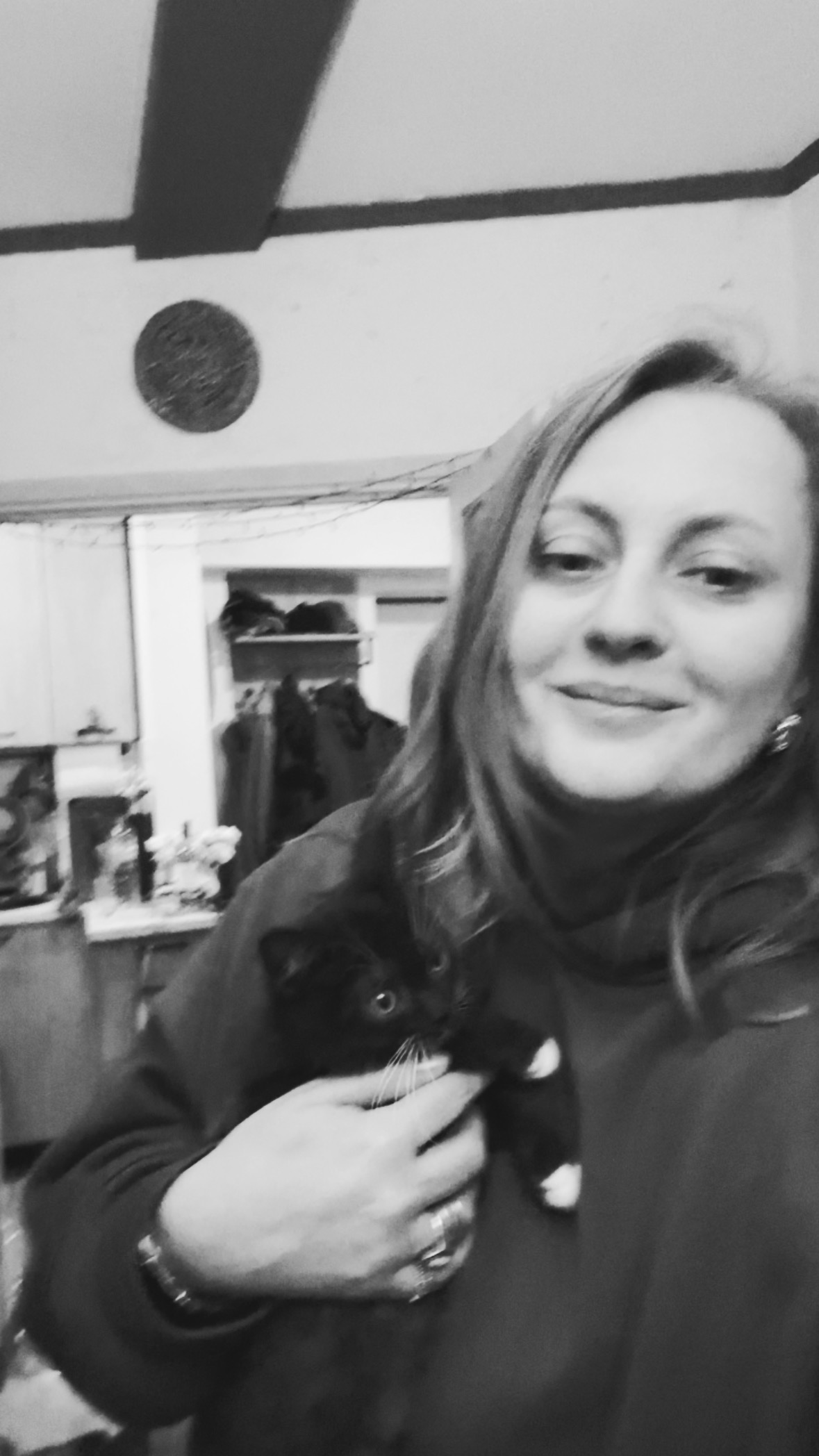
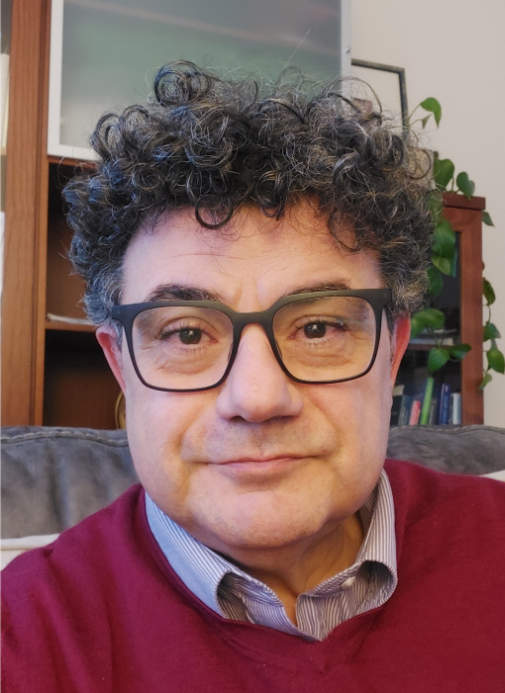
1. As a Certified Transactional Analyst (CTA) and Provisional Teaching and Supervising Transactional Analyst (PTSTA) in psychotherapy, I was thrilled to receive an invitation from The Script to share my experience with Eric Berne. While my practice is based in Moscow, I live outside the city in a forest to recover from the urban hustle.
Berne, E. (1964). Games people play: The psychology of human relationships. Grove Press. Translated version
To ensure a productive and professional environment, we ask all members to adhere to the following principles:
🤝 Professional Courtesy
Engage with others respectfully. While debate is encouraged, personal attacks, aggressive language, and incivility are strictly prohibited. Focus on the topic, not the individual.
🎯 Constructive Contribution
Ensure your comments add value to the discussion. Avoid spam, off-topic remarks, or repetitive content. We prioritize quality discourse over volume.
🛡️ Safe Environment
Uphold the integrity of our community. Hate speech, discriminatory remarks, and harassment will result in immediate moderation. Help us maintain a secure space for all.





.jpg)









Lorem ipsum dolor sit amet, consectetur adipiscing elit. Suspendisse varius enim in eros elementum tristique. Duis cursus, mi quis viverra ornare, eros dolor interdum nulla, ut commodo diam libero vitae erat. Aenean faucibus nibh et justo cursus id rutrum lorem imperdiet. Nunc ut sem vitae risus tristique posuere.