Beginning in January 2026, The Script will transition to a new digital platform model. This change signifies more than a simple website redesign. It represents a substantial evolution in the relationship between our content and our users, embracing a new dimension of knowledge administration. The creation of a platform, when guided by contemporary principles, extends far beyond the mere launch of a new site.
Editorially, we have adapted our content for this new environment. Unlike the fixed spacing of our past print editions and PDF files, the new format is fluid and responsive. This ensures an inviting and enjoyable reading experience on any device.
The new formatting also allows built-in accessibility features to function correctly, such as special reading modes and adjustments to text size and color. These features are designed to meet diverse needs, especially for individuals with disabilities. While our priority is a human-centered informational experience, these changes also meet the technical requirements for indexing by search engines and Large Language Models (LLMs).
One of the most significant alterations is our approach to headlines. In addition to the original titles provided by authors, The Script's editors will write auxiliary, journalistic-style headlines. These concise titles, which clearly state the article's topic in a single line, will appear on the main page and edition covers. The author's original title will be displayed once the article is opened.
The new platform also eliminates space limitations for images. This allows for a variety of presentation styles, from a main feature image accompanying headlines to full-screen photo galleries. This new phase also marks our use of illustrative images created with professional Artificial Intelligence (AI) generation services.
The global trend of "platformization" has profoundly altered the relationship between the public and information. The old model, where readers received a pre-packaged set of news, has given way to a fluid ecosystem. In this new dynamic, the user is no longer a passive recipient but an active participant.
A platform's value comes from the connections it creates between its members. It allows everyone to shift between the roles of producer and consumer, whether by offering a service, creating content, or simply viewing a post. The platform acts as an invisible orchestrator, using data to connect the right people with the most relevant information.
Opting for a platform anchored in an official journalistic vehicle like The Script provides a decisive advantage: an immediate "quality filter." This editorial content acts as a common map, guiding and qualifying member interactions.
Unlike open environments where users face disconnected information and the risk of "noise," our model offers a secure starting point. The news itself becomes the unit of value that orchestrates discussion, ensuring that participation is always a response to relevant, verified topics. This approach fosters more valuable, focused, and protected connections within a high-reputation environment.
By grounding the platform in professional content, we attract a qualified audience and seed a community culture based on trust and clear governance. This structure prevents the disorder that often undermines purely open initiatives and ensures our ecosystem sustains valuable and meaningful interactions.
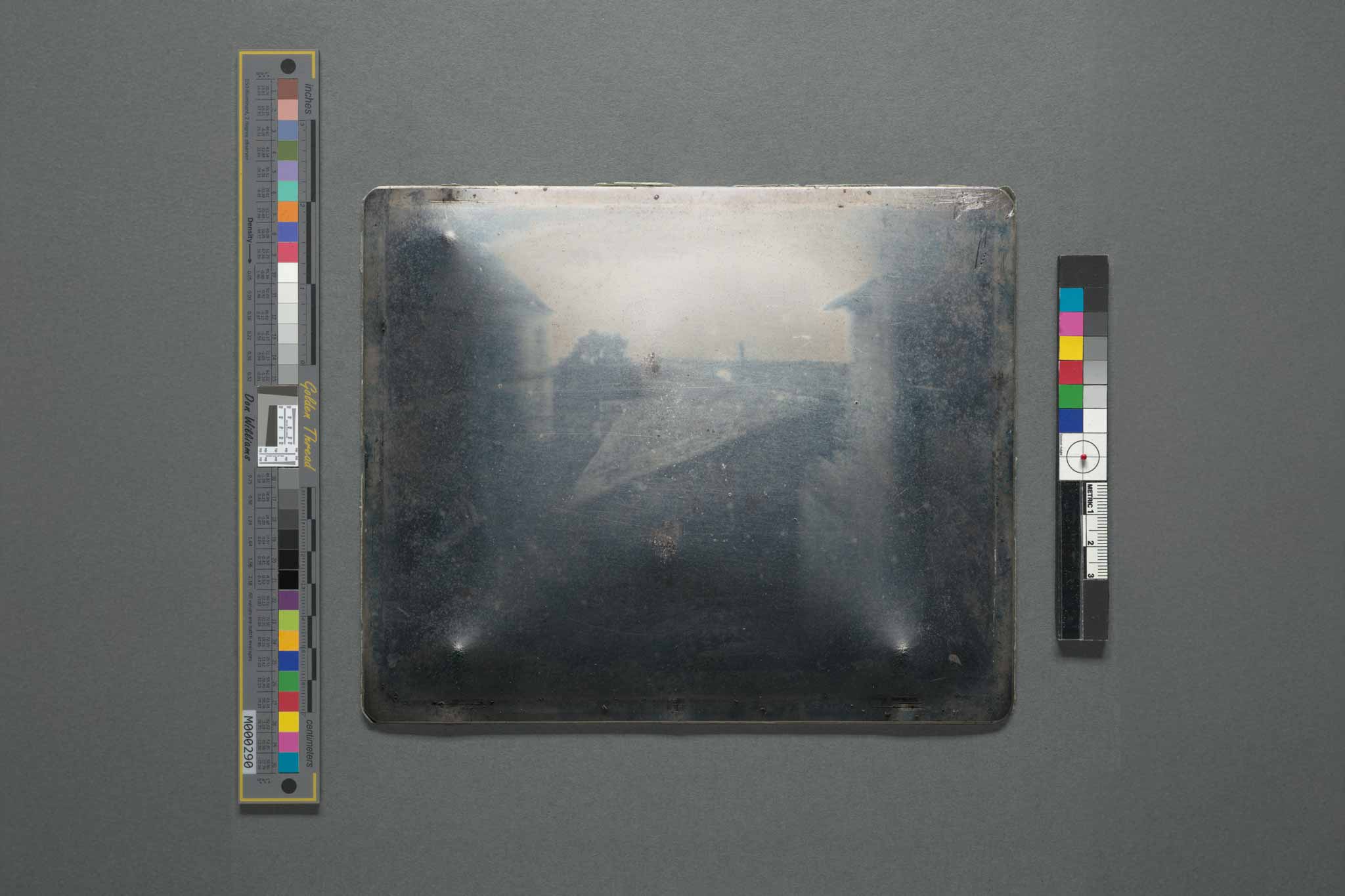
Niépce, J. N. (1827). Untitled 'point de vue' [Heliograph on pewter]. Harry Ransom Center, Austin, TX, United States. https://www.hrc.utexas.edu/niepce-heliograph/
To ensure a productive and professional environment, we ask all members to adhere to the following principles:
🤝 Professional Courtesy
Engage with others respectfully. While debate is encouraged, personal attacks, aggressive language, and incivility are strictly prohibited. Focus on the topic, not the individual.
🎯 Constructive Contribution
Ensure your comments add value to the discussion. Avoid spam, off-topic remarks, or repetitive content. We prioritize quality discourse over volume.
🛡️ Safe Environment
Uphold the integrity of our community. Hate speech, discriminatory remarks, and harassment will result in immediate moderation. Help us maintain a secure space for all.





.jpg)











Lorem ipsum dolor sit amet, consectetur adipiscing elit. Suspendisse varius enim in eros elementum tristique. Duis cursus, mi quis viverra ornare, eros dolor interdum nulla, ut commodo diam libero vitae erat. Aenean faucibus nibh et justo cursus id rutrum lorem imperdiet. Nunc ut sem vitae risus tristique posuere.