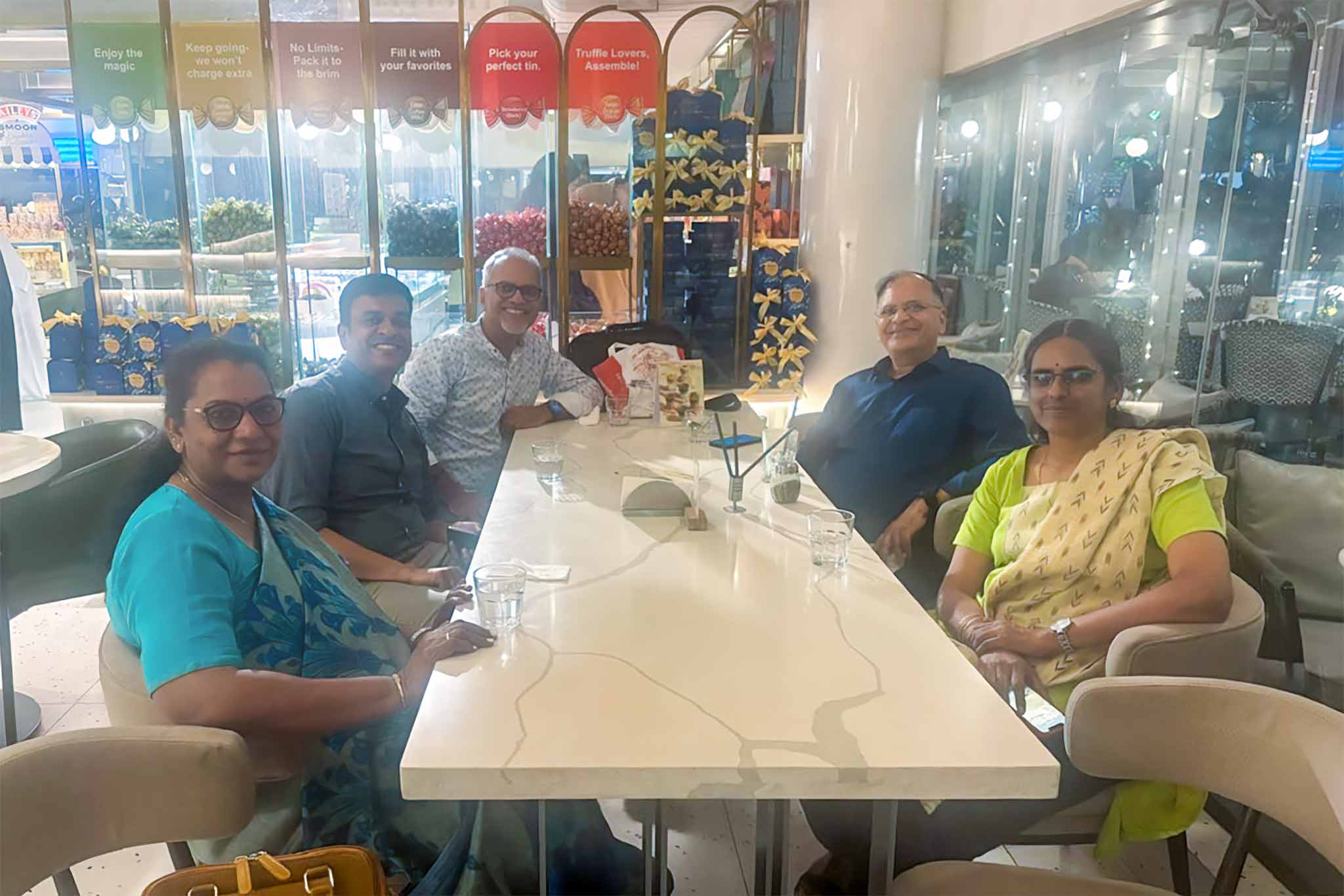
Transactional Analysis (TA) was born as an approach to psychotherapy. But Eric Berne always knew it would not stay there. He spoke of “special fields” — ways TA could move beyond the therapy room and into the wider world (Berne, 1966). Decades later, Julie Hay gave that instinct a name and a structure, shaping what we now call the developmental fields of TA: education, organisations, and counselling (Hay, 2009).
I have lived inside that expansion. My own training began with clinical teachers, and I later found my way into organisational work largely through self-directed learning, becoming a Teaching and Supervising Transactional Analyst (TSTA) in the Organisational field in 2008. But looking back, I realise my work never truly sat inside one field at all. I’m sure many of us would share that with me. It moved between education, counselling, and organisations long before I had language for it.
What I have come to love most about the developmental fields is how much they share, far more than what divides them. Coaches, educators, trainers, consultants — different titles, same underlying craft. That shared ground is what shaped the Developmental Transactional Analysis Practitioner (DTAP), the South Asian Association of Transactional Analysts' (SAATA) special certification pathway for our region (SAATA, n.d.). It is the same ground Human OS (www.humanos.co.in) now stands on.
As an organisational transactional analyst, for years, I worked largely on my own, surrounded mostly by clinical colleagues, hoping to one day see more practitioners certified across the organisational, counselling, and education fields. That hope did not arrive all at once. It arrived person by person, as supervisees of mine became Provisional Teaching and Supervising Transactional Analysts (PTSTAs) in their own right. Slowly, a small community started to form. And a small community, once it exists, wants to grow into something bigger.
That growth needed a design. Not luck, not solo heroics — design. This is the idea at the heart of Human OS: that lasting impact is never built by one person working harder. It is built by the right people working together, on purpose, with a shared structure that lets the work outlast any single contributor. Growth by Design is not a tagline we picked after the fact; it is, quite literally, how Human OS came to exist.
My personal mission has always been to reimagine, rehumanise, and revitalise life through TA — to put physis, the natural drive toward growth, back at the centre of how people learn, lead, and work together. We have since put this into words as a purpose statement that now guides everything we do: “We help people grow — and grow the people around them.” But a mission like that cannot live in one person’s calendar. If TA is to reach classrooms, organisations, and communities at any real scale, it cannot depend on solo practitioners doing brilliant but isolated work. It needs collaboration as its operating principle.
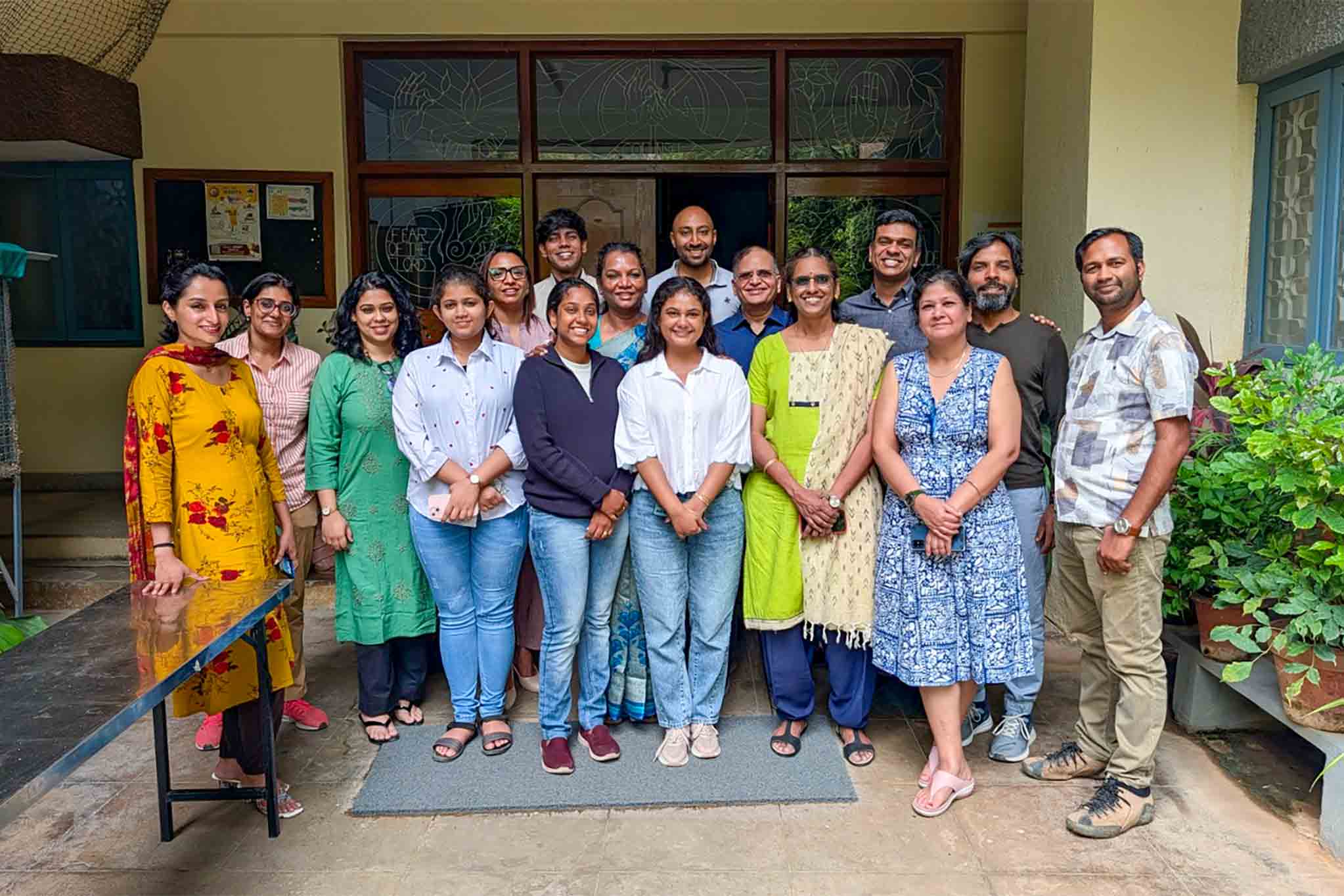
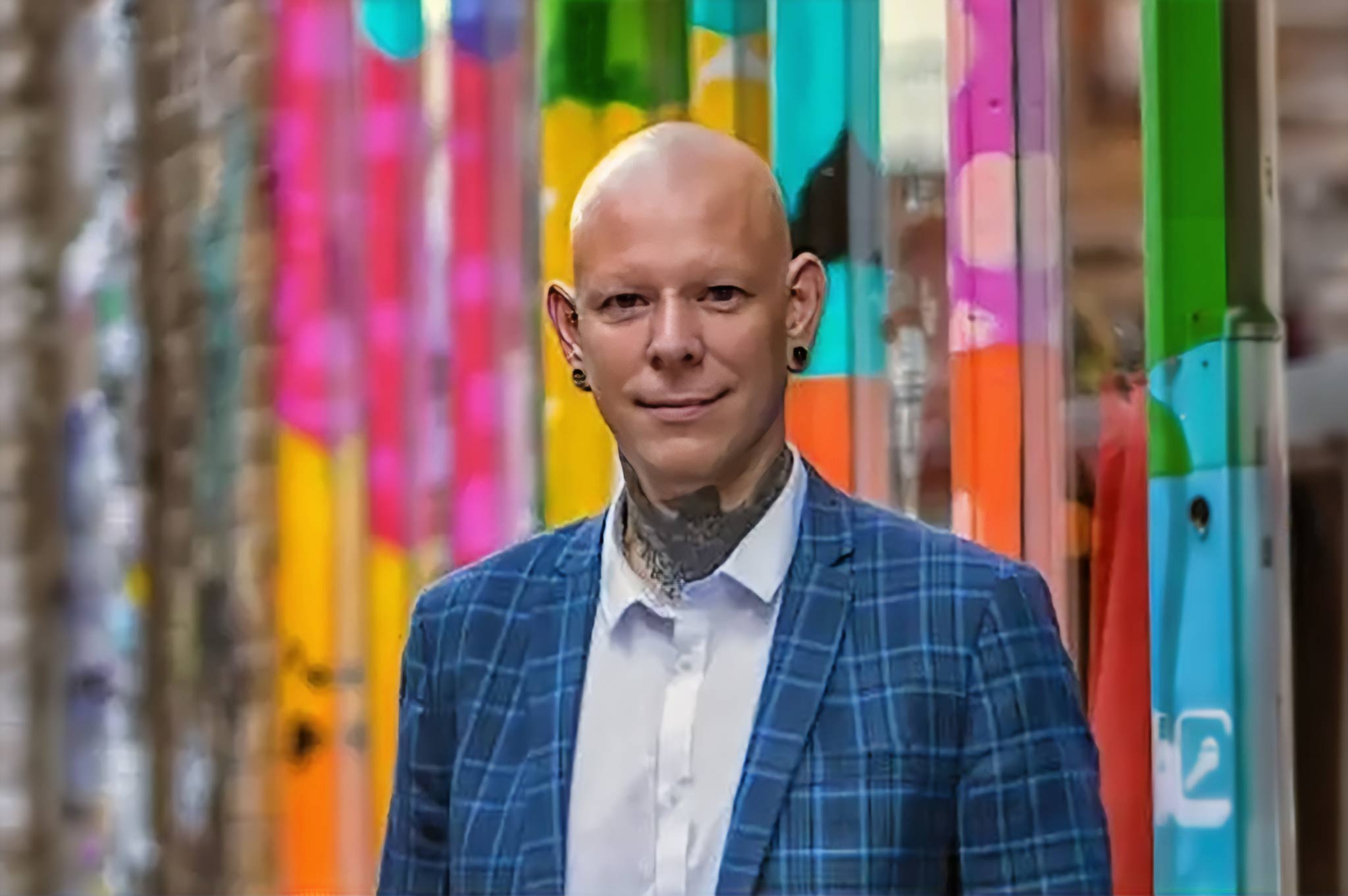
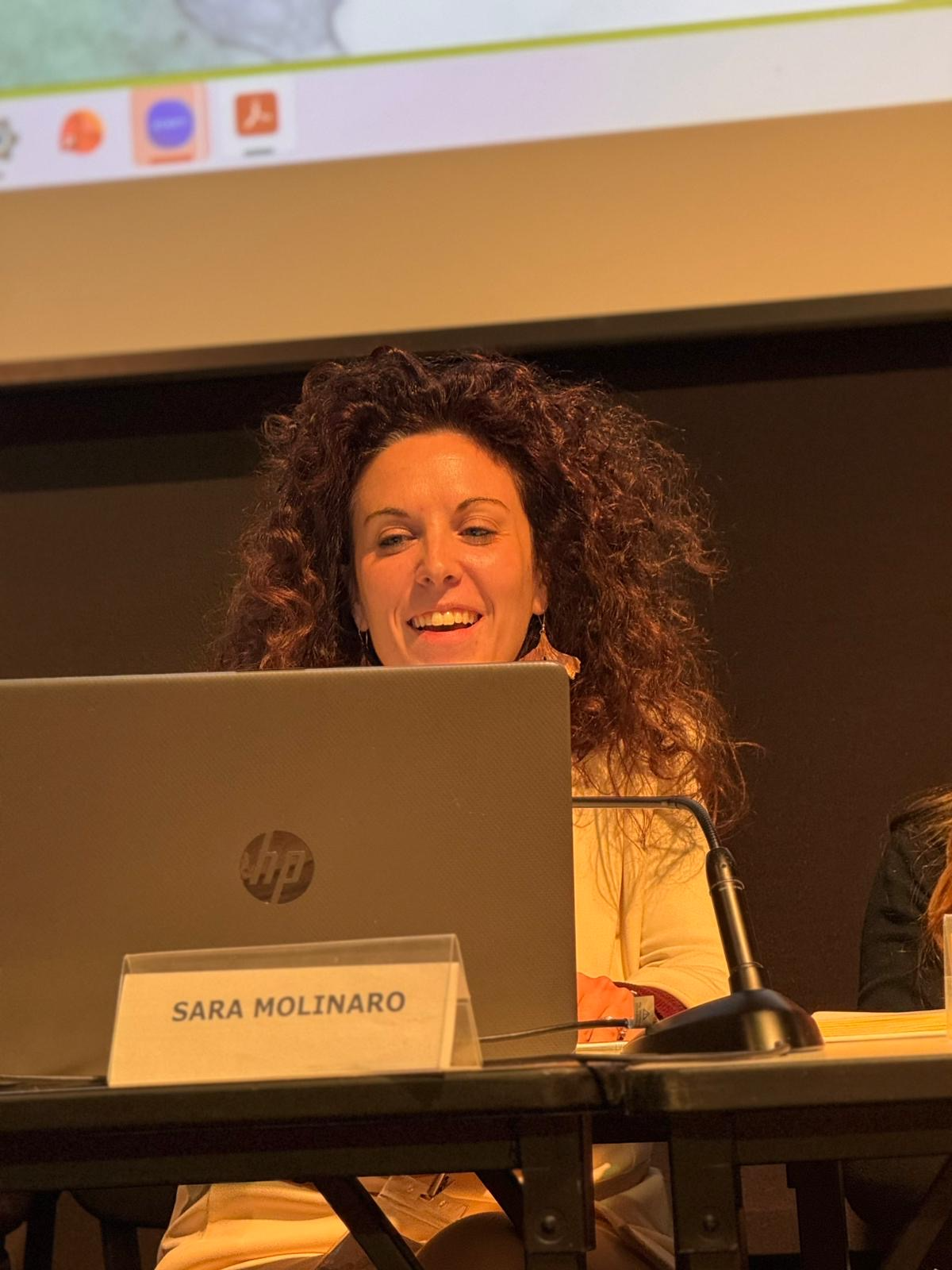
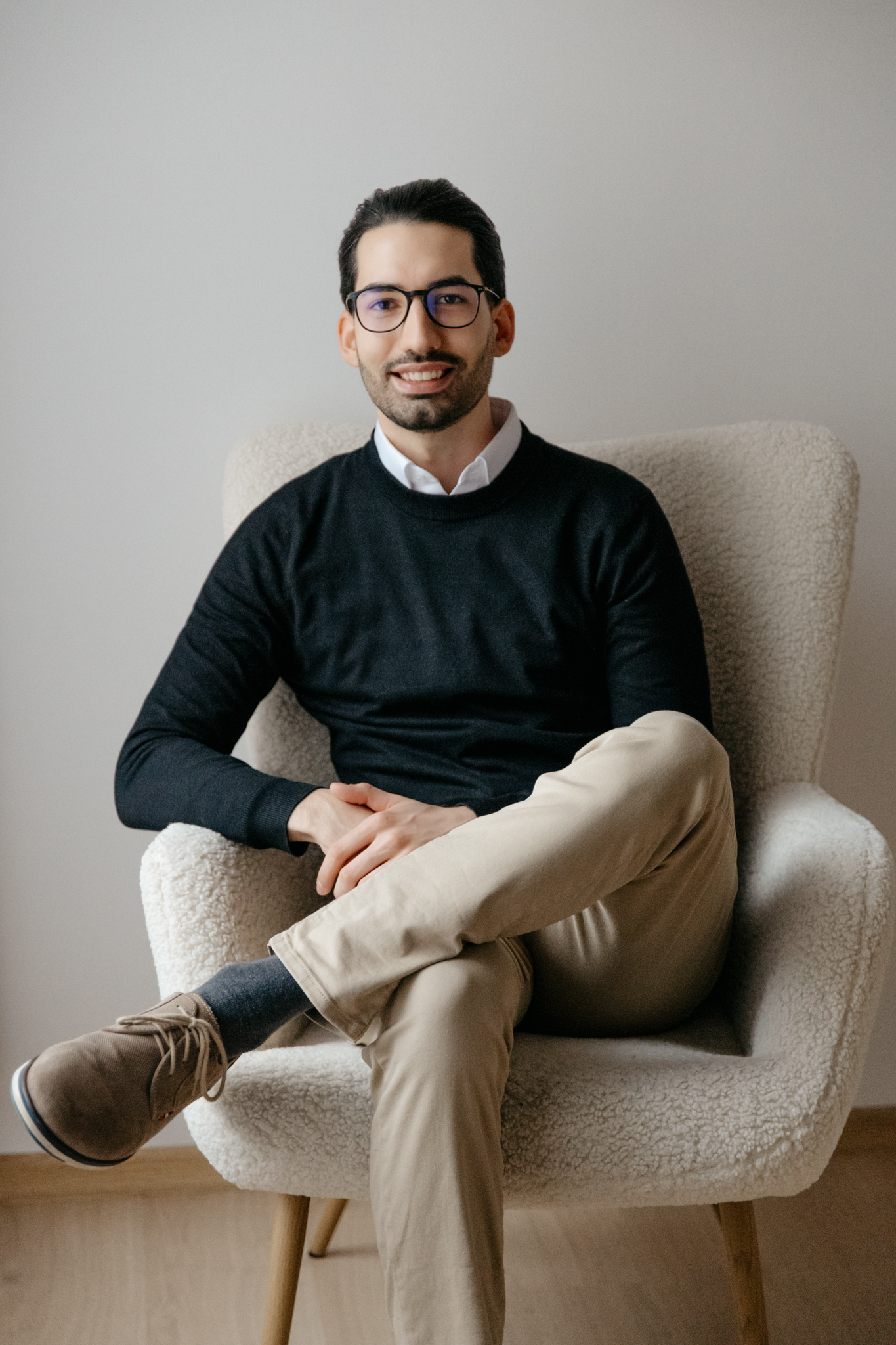
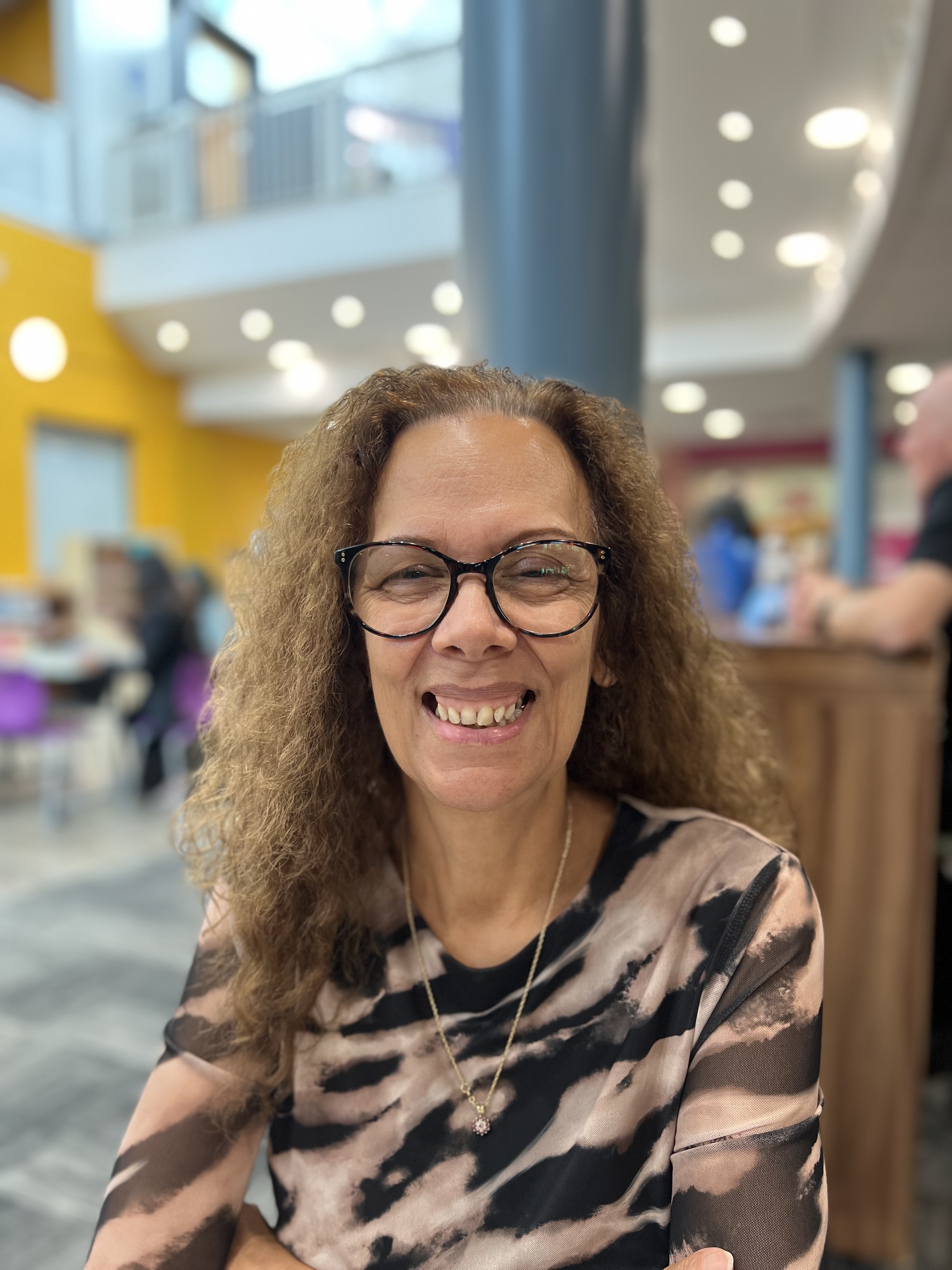
This is where accessibility and scalability stop being abstract values and become daily decisions. Making TA accessible to more people, especially in education and organisations, was always my dream — but dreams at scale need teams, not individuals. I recharge as an introvert, alone and quietly, but I have learned that I build best in the company of colleagues whose energy and openness complement my own. When I proposed we form a limited liability partnership (LLP), Eric Lee James, Piyush Dixit, Rajarajeshwari G S, and Josephine Devotta all said yes without hesitation, and that single yes became the foundation everything else was built on.
What followed proved something I had long believed but never tested at this scale: Synergy is not a nice idea — it is a multiplier. Five people, five perspectives, and the output is not five times richer — it is something genuinely new that none of us would have produced alone. And underneath all of it sits impact, the real reason any of this matters. Working solo is comfortable, but working together is how comfort gets traded for something worth more: a dent made in the world, however small, that is shared rather than solitary. Sharing, we have learned this year, is simply another word for growing.
So what does Growth by Design look like in practice? This year, it looked like several cohorts moving through TA101, the first doorway into this work for newcomers across our region. It looked like a partnership with Sari van Poelje of Intact Academy in the Netherlands, bringing a Team Coaching Workshop to practitioners hungry for organisational depth.
It looked like The OK Air, a podcast that let TA ideas breathe in a more informal voice. It looked like Circle of Insight, our free monthly webinar, opening the door wider for anyone curious enough to walk through it. And quietly, steadily, it looked like blog after blog, resource after resource, building a repository of developmental TA thinking that simply did not exist in this form before Human OS did, in this region.
None of this was the work of one person. Every initiative carried more than one set of fingerprints, more than one voice in the room shaping it. That, more than any single programme, is what we are truly celebrating.
If this first year was about proving the model works, the year ahead is about building on it with intention. We are launching Developmental Transactional Analysis (DTA) Foundation and Practitioner Year trainings, designed to carry candidates toward DTAP and Certified Transactional Analyst (CTA) certification. We are partnering again with Intact Academy on a Masters in Team Coaching. We are opening a year-long Group Process Practicum and monthly Group Supervision, both built on the conviction that groups are where script and physis play out most visibly — where old family patterns resurface, and where real growth becomes possible in the presence of others. Later in the year, we hope to launch a DTA magazine, alongside new Coaching Training, Modular Leadership Training, and Team Coaching consultancy work for organisations serious about leadership and development.
Each of these is, in its own way, collaboration designed on purpose: a structure built so that growth does not depend on any one of us showing up perfectly every day, but on a shared system strong enough to carry the work forward regardless.
A year ago, Human OS was a conversation between five people willing to say yes to an idea. Today, it is a small but unmistakable presence in the developmental TA world — one TA101 cohort, one webinar, one podcast episode at a time. At the heart of all of it is a space for learning, reflection, and practice, where transformation is lived rather than merely discussed, and where people grow in skill, awareness, and contribution. We did not arrive here by accident, and we did not arrive here alone. We arrived here by design, together, and that is precisely the point.
The future is still unwritten, and that is the most hopeful part of this story. We get to decide what we build into it. I believe, quite simply, that together, we will keep building it well.
Berne, E. (1966). Principles of group treatment. Oxford University Press.
Hay, J. (2009). Transactional analysis for trainers (2nd ed.). Sherwood Publishing.
South Asian Association of Transactional Analysts. (n.d.). DTAP version 1.0. https://assets.ctfassets.net/acxjtojz8lp2/6uTEhpwy3gC23SppWwySlW/8fd014c1efb3eaefdadc8f02c26675c8/DTAP_Version_1.0.pdf
To ensure a productive and professional environment, we ask all members to adhere to the following principles:
🤝 Professional Courtesy
Engage with others respectfully. While debate is encouraged, personal attacks, aggressive language, and incivility are strictly prohibited. Focus on the topic, not the individual.
🎯 Constructive Contribution
Ensure your comments add value to the discussion. Avoid spam, off-topic remarks, or repetitive content. We prioritize quality discourse over volume.
🛡️ Safe Environment
Uphold the integrity of our community. Hate speech, discriminatory remarks, and harassment will result in immediate moderation. Help us maintain a secure space for all.




.jpg)







Lorem ipsum dolor sit amet, consectetur adipiscing elit. Suspendisse varius enim in eros elementum tristique. Duis cursus, mi quis viverra ornare, eros dolor interdum nulla, ut commodo diam libero vitae erat. Aenean faucibus nibh et justo cursus id rutrum lorem imperdiet. Nunc ut sem vitae risus tristique posuere.