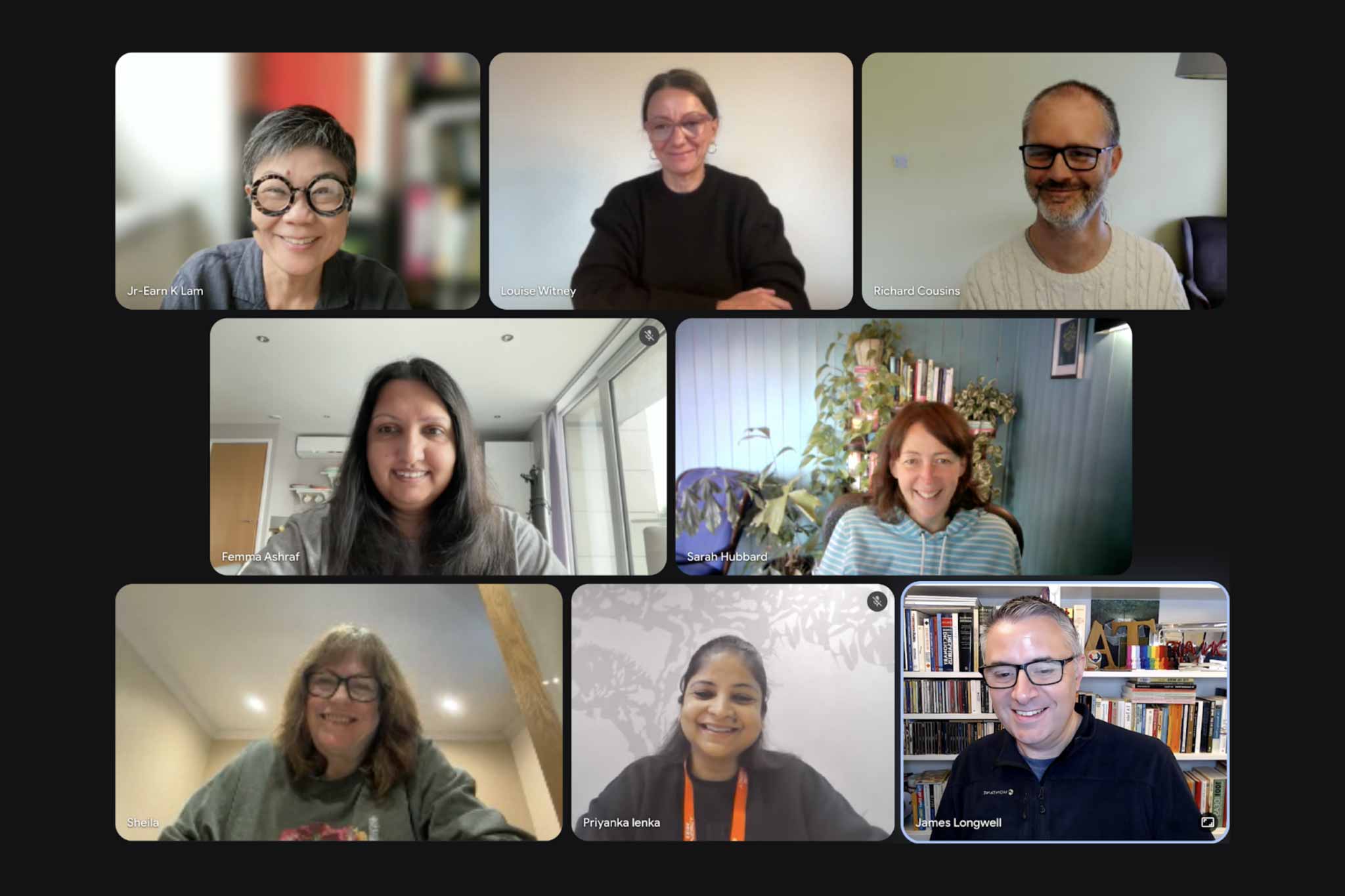
In 2026, the integration of artificial intelligence (AI) into the professional landscape has shifted from the realm of early adoption to a pressing reality of daily life — whether consciously acknowledged or not. Within the Transactional Analysis (TA) community, this shift presents significant challenges and unique opportunities for growth. The joint European Association for Transactional Analysis (EATA) and International Transactional Analysis Association (ITAA) AI Working Group is pleased to share our progress since our establishment in 2025. We remain committed to ensuring that the humanistic orientation of TA remains at the heart of our approach.
The working group’s mandate is clear: to review the existing TA examination system for the integration — not prohibition — of AI. We recognized early on that our existing ethical frameworks are exceptionally well-suited to this work. Navigating this frontier will require all participants, from prospective Certified Transactional Analyst (CTA) candidates to Teaching and Supervising Transactional Analysts (TSTAs), to acquaint themselves with the ethical dimensions of adopting AI in the examination process.
Since our inception, close contact has been maintained with the chairs of both the Professional Training and Standards Committee (PTSC-EATA) and the Professional Standards Committee (PSC-ITAA) to ensure alignment with pre-existing TA exam governance. In addition, a representative from each committee has joined our working group. This ensures we remain aligned with the standards of both governing bodies.
This year marks our transition from groundwork to action. Key initiatives include a global membership survey, which we will launch shortly to capture the current usage, concerns and aspirations regarding AI in the examination process across the memberships of both EATA and ITAA. Your voice is vital in shaping the regulations that will guide our future. Please watch upcoming newsletters for the survey link.
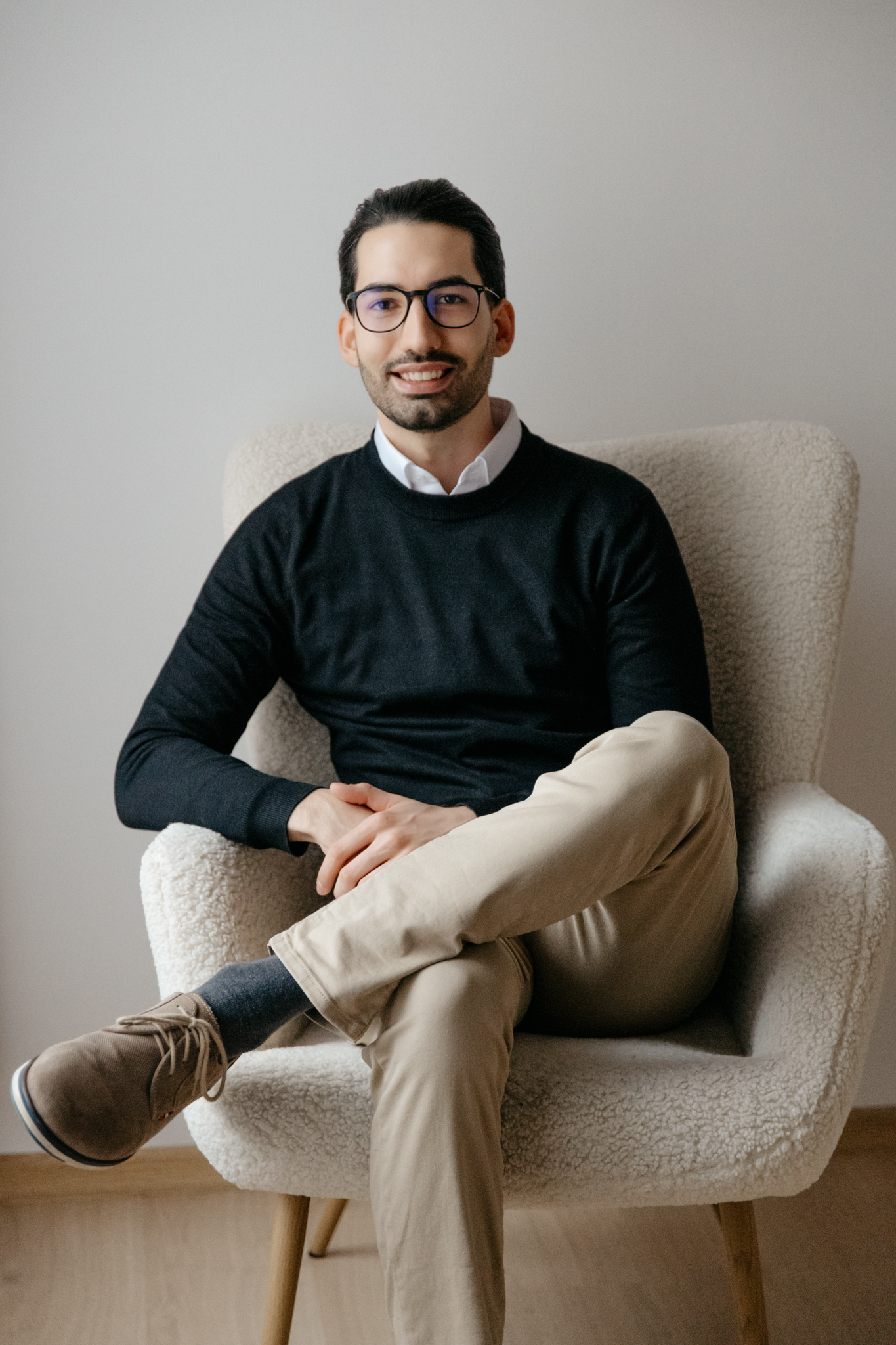
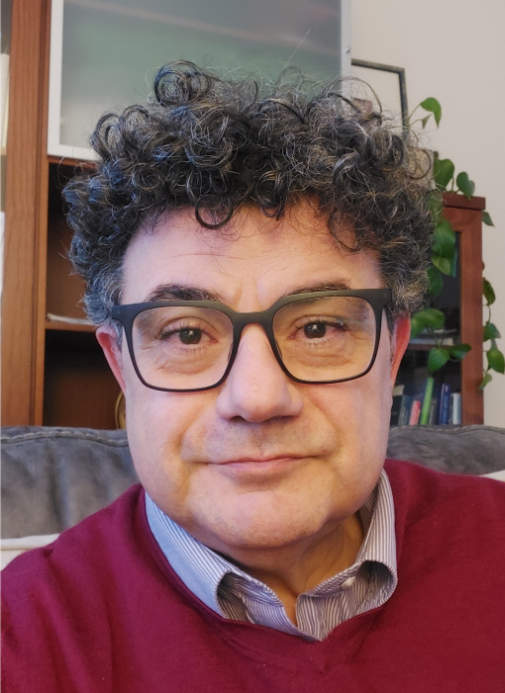
We are also conducting internal AI experimentation. We are fortunate to have two technical experts in our group who are also members of the TA community. Richard Cousins has designed and built an "on-device" AI — a local implementation that utilizes relevant resources, such as handbooks and a vast research trove, to support our mission. This tool was reviewed by our resident AI specialist, Femma Ashraf, to explore future applications for the membership.
Finally, we are drafting formal examination guidelines. These recommendations are for candidates, supervisors, sponsors, evaluators, board members and exam coordinators. Our current stance favors transparency and disclosure of AI use over heavy restrictions or bans. These uses will be actively reviewed by supervisors and sponsors.
We want to reassure the membership that this working group is actively monitoring the rapid developments in AI. We are coordinating across EATA and ITAA to create unified, sensible guidelines. These will honor the traditions of TA while embracing the tools of the future.
The working group welcomes input from any member of our community. Please contact jamesalongwell@gmail.com with ideas, questions or concerns.
In closing, I offer my heartfelt thanks to the volunteer committee members who have invested countless hours in this ever-shifting topic. Our group's imago has been simultaneously joyful and serious, inspired and concerned, reflective and action-oriented.
To ensure a productive and professional environment, we ask all members to adhere to the following principles:
🤝 Professional Courtesy
Engage with others respectfully. While debate is encouraged, personal attacks, aggressive language, and incivility are strictly prohibited. Focus on the topic, not the individual.
🎯 Constructive Contribution
Ensure your comments add value to the discussion. Avoid spam, off-topic remarks, or repetitive content. We prioritize quality discourse over volume.
🛡️ Safe Environment
Uphold the integrity of our community. Hate speech, discriminatory remarks, and harassment will result in immediate moderation. Help us maintain a secure space for all.





.jpg)








Lorem ipsum dolor sit amet, consectetur adipiscing elit. Suspendisse varius enim in eros elementum tristique. Duis cursus, mi quis viverra ornare, eros dolor interdum nulla, ut commodo diam libero vitae erat. Aenean faucibus nibh et justo cursus id rutrum lorem imperdiet. Nunc ut sem vitae risus tristique posuere.