
Eric Berne published the book that fundamentally changed the idea of psychotherapy, "Transactional Analysis in Psychotherapy" (Berne, 1961). The change was away from unconscious, drive-driven trauma interpretation towards momentary transactional awareness and action. The theory of psychic organs and ego states enabled the method of using here-and-now transactions between therapist and client to understand the client's early emotional decisions and offer emotional re-decision options. Berne's genius was double: He created new and highly useful psychology and psychotherapy theory, and he initiated a teaching and organizational structure to protect and develop his ideas. Both contributions have reached global presence in 2026.
In my country, Sweden, as well as in many other countries, transactional analysis (TA) psychotherapy is still not officially recognized as a valid form of psychotherapy. Mainly cognitive behavior therapies are recognized and financially supported for clients. TA is also not part of university training programs to become a licensed psychotherapist in Sweden.
Until recently, the International Transactional Analysis Association (ITAA) listed psychotherapy as the first field of application for TA. Now, psychotherapy is listed on the website as the fourth and lowest field of TA. This downgrading is a disastrous discount of Berne's primary concern: TA in psychotherapy.
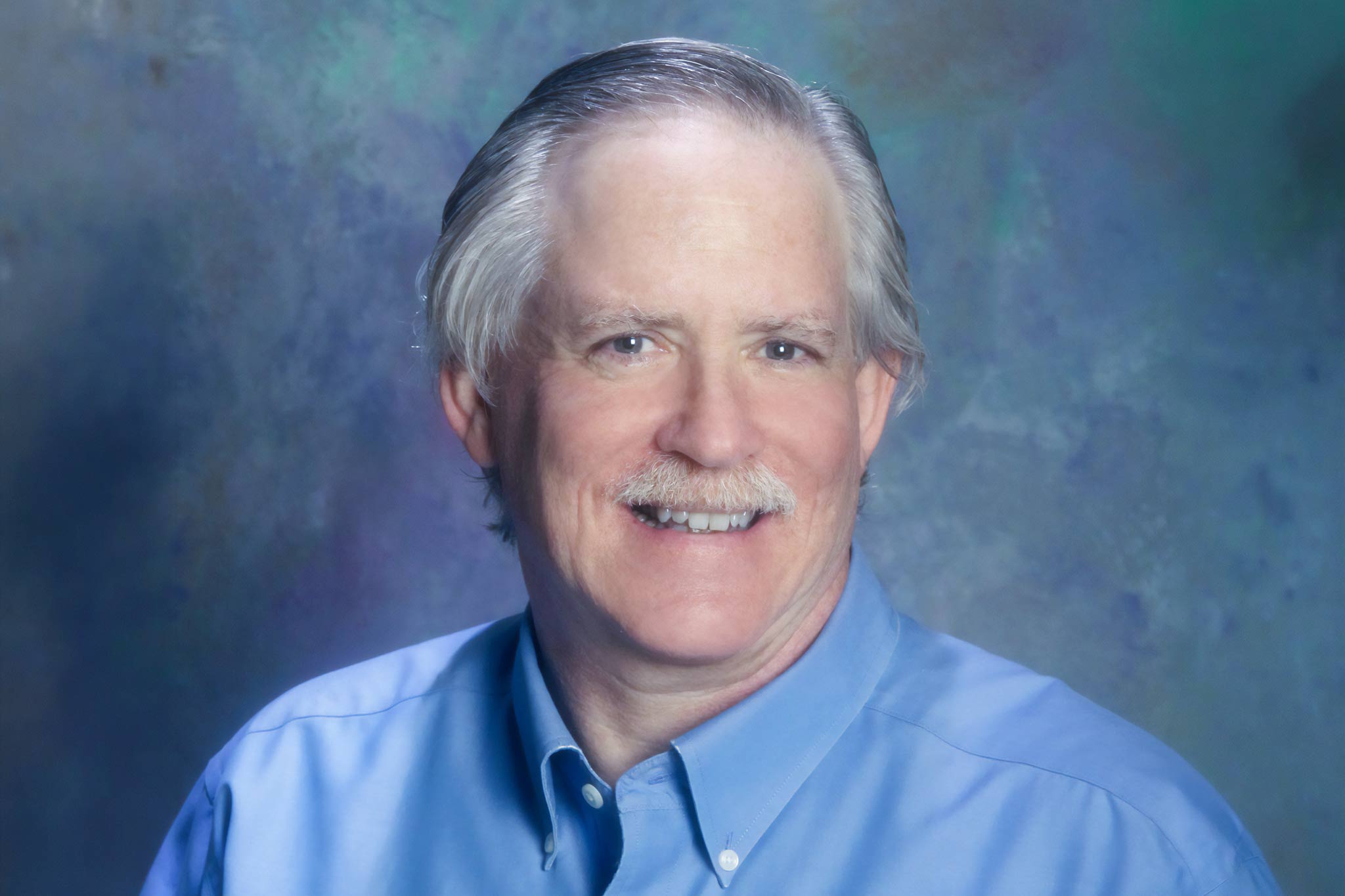
I have been a clinical and psychotherapy member of the ITAA since 1975, passing my Certified Transactional Analyst (CTA) exam in 1977 and Teaching and Supervising Transactional Analyst (TSTA) exams in 1984. I am a Swedish licensed psychologist and psychotherapist, based on eight years of university education in fields and methods other than TA. Being free to choose my working methods, I primarily use TA anyway, because TA is simply the best practical psychotherapy I have encountered. I wrote my PhD dissertation on TA psychotherapy with drug addicts (Ohlsson, 2001).
My work for 50 years has been as a psychotherapist, supervisor, teacher, and writer. My experience of using TA psychotherapy is by now much longer and wider than Eric Berne's was. I have seen therapy clients, supervised staff at therapeutic communities, psychiatric hospitals, and social service agencies, and I have taught TA at home and abroad. I introduced TA in Scandinavia, Taiwan, China, Malaysia, Sri Lanka, and Ukraine. I do not write this to boast; I simply want to state my subjective experience and conclusion:
TA knowledge helps anyone manage feelings and live better lives. TA therapy works for people with psychological and emotional problems.
So, why is TA psychotherapy not taken seriously by the Swedish government? Why is TA psychotherapy worldwide not better supported by governments for improved mental health and well-being in their populations? I think one answer is that we lack a professional international organization for TA psychotherapy. The present version of the ITAA discounts TA psychotherapy. There should be an international organization fully dedicated to promoting and regulating professional TA psychotherapy.
I think the idea to certify TA use in the four traditional fields of psychotherapy, counseling, education, and organizations has grown into an obstacle for the recognition of TA psychotherapy. Psychotherapy and, to some extent, counseling are talking treatments for people with emotional troubles. The two other fields are about using TA in the service of emotionally functional individuals, and such uses can easily be extended to any cooperative enterprise. Putting psychotherapy on par with any other interpersonal activity is "gaping over too much and risking losing everything," as a Swedish saying goes. TA psychotherapy needs to meet regulated formal training requirements.
How many TA students have passed their exams in the four fields? Does the ITAA keep records? I have never seen any figures, but my own experience as an examiner for more than 40 years is that a great majority wished to be certified in the field of psychotherapy on both CTA and TSTA levels.
So, please stop discounting Eric Berne's legacy! He created TA as a psychotherapy. Reclaim the ITAA as an organization to uphold and develop TA as a psychotherapy! Start and encourage new national and international organizations to promote the use of TA knowledge to save the world! Yes, I literally mean that.
Do script analyses of world leaders and consider the impact of their various ego states on world safety! TA can, and should, play an important role in human interaction processes. But honor and uphold Berne's legacy: TA in psychotherapy!
Berne, E. (1961). Transactional analysis in psychotherapy. Grove Press.
Ohlsson, T. (2001). TA i missbruksarbete: Transaktionsanalytisk psykoterapi som behandlingsmetod för drogmissbrukare i miljöterapeutisk vård [Doctoral dissertation, Lunds universitet].
To ensure a productive and professional environment, we ask all members to adhere to the following principles:
🤝 Professional Courtesy
Engage with others respectfully. While debate is encouraged, personal attacks, aggressive language, and incivility are strictly prohibited. Focus on the topic, not the individual.
🎯 Constructive Contribution
Ensure your comments add value to the discussion. Avoid spam, off-topic remarks, or repetitive content. We prioritize quality discourse over volume.
🛡️ Safe Environment
Uphold the integrity of our community. Hate speech, discriminatory remarks, and harassment will result in immediate moderation. Help us maintain a secure space for all.






.jpg)










Lorem ipsum dolor sit amet, consectetur adipiscing elit. Suspendisse varius enim in eros elementum tristique. Duis cursus, mi quis viverra ornare, eros dolor interdum nulla, ut commodo diam libero vitae erat. Aenean faucibus nibh et justo cursus id rutrum lorem imperdiet. Nunc ut sem vitae risus tristique posuere.