Transactional analysis in India grows with Mumbai lecture
Taking SAATA to Mumbai: the P.K. Saru Memorial Endowment Lecture

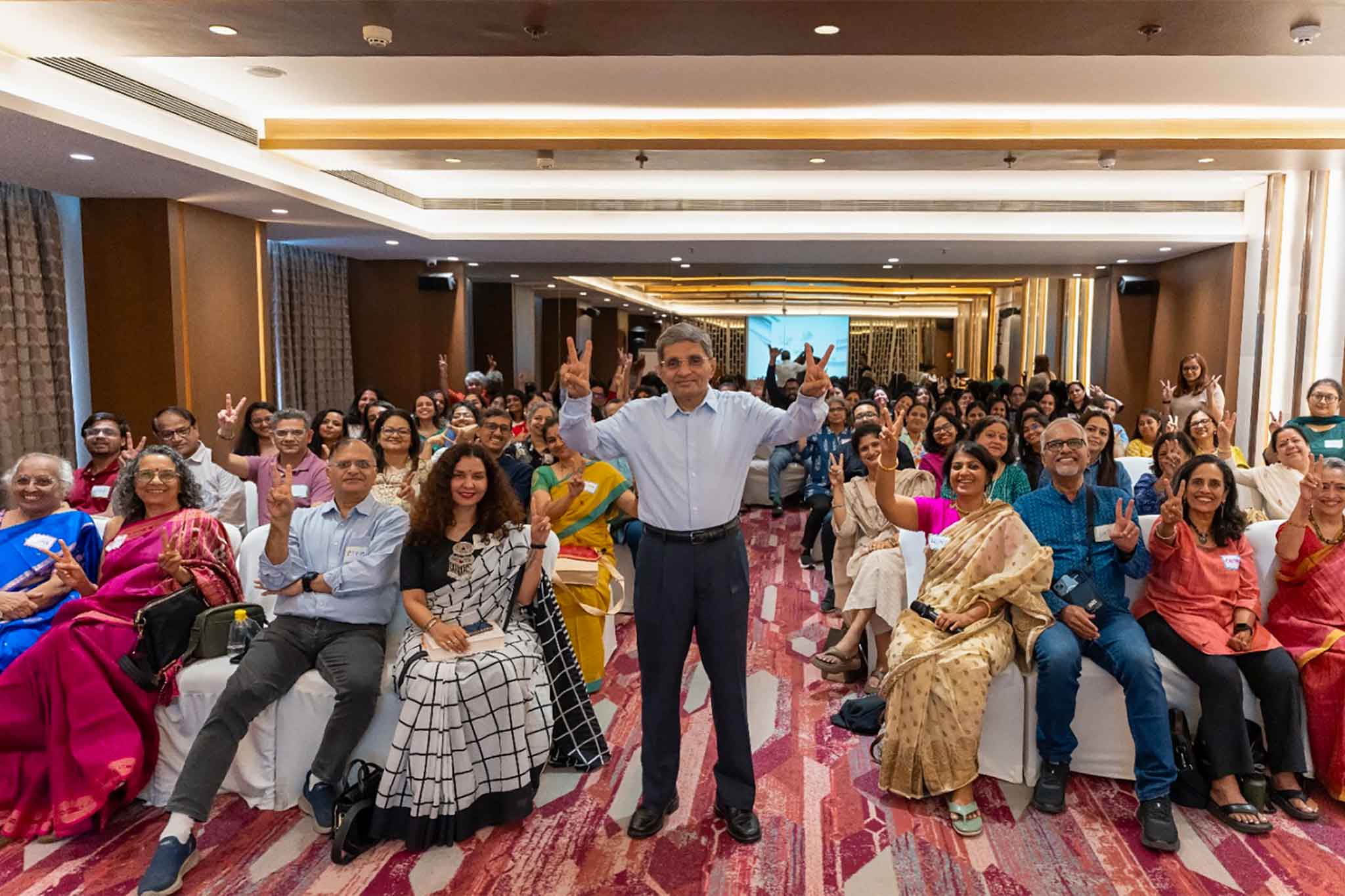
For many years, transactional analysis in India has had its strongest presence in the South, particularly around Chennai, Bangalore and Coimbatore. Most trainers are based here, and many of our gatherings have followed. But as trainers began working with students elsewhere, small communities of TA learners started emerging in other cities.
Mumbai was one of them. Across our different training groups, there were now about 100 TA students in the city. We felt that this warranted more than another online meeting. Students learning with different trainers needed an opportunity to meet, learn together and experience being part of a larger professional community. So this year, SAATA, the South Asian Association of Transactional Analysts, decided to take the P.K. Saru Memorial Endowment Lecture to Mumbai.
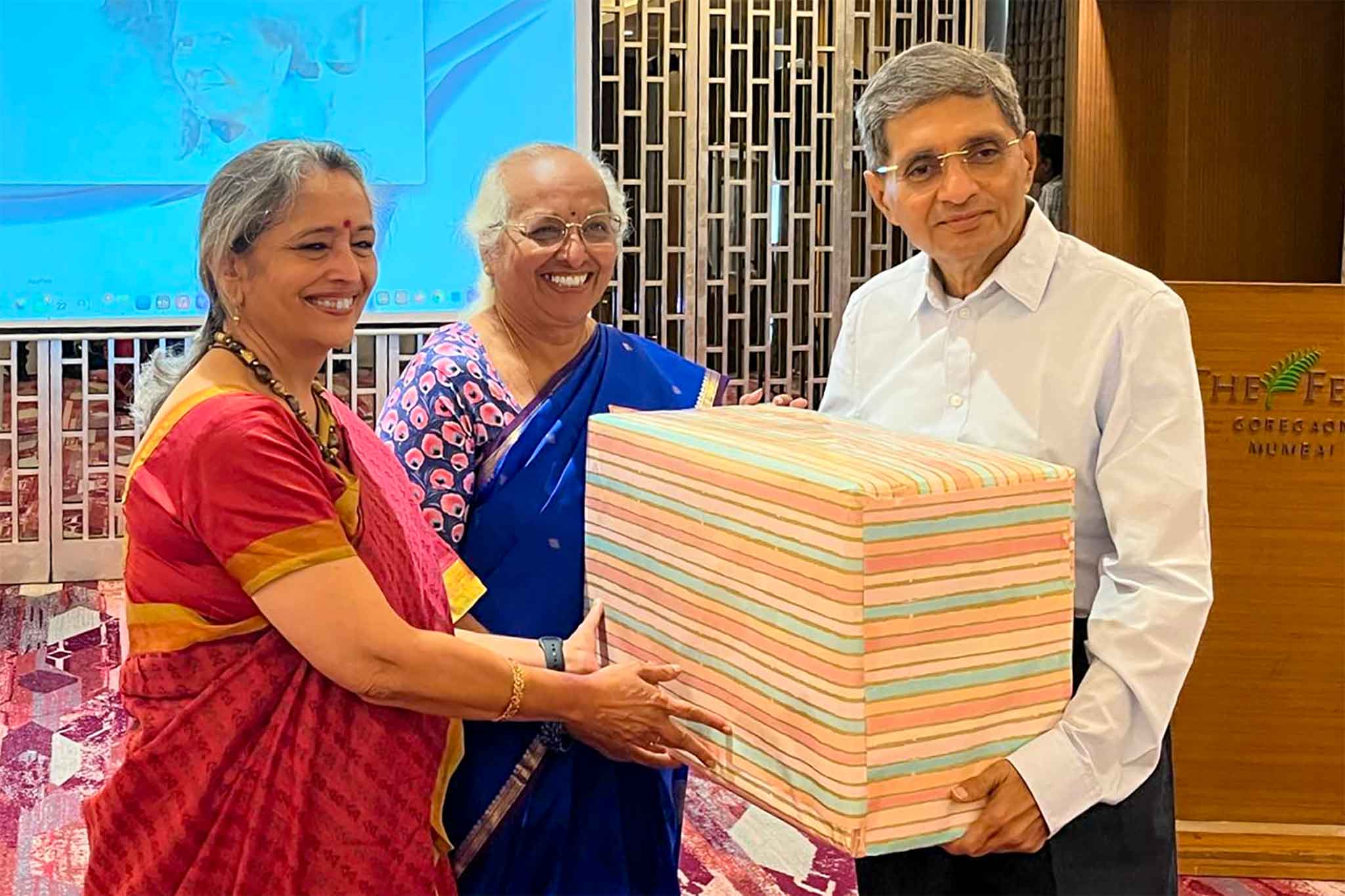
What delighted me was how readily the trainers came together. Eleven trainers participated, many traveling to Mumbai to offer workshops during the day. Their enthusiasm was a wonderful expression of the generosity that I consider one of TA’s greatest strengths. Anisha Pandya, our local trainer, was a gracious host. She undertook much of the groundwork, brought people together and found us an exceptional endowment lecturer: Dr. Harish Shetty.
Remembering Saru
P.K. Saru was one of the pioneers of TA in India and SAATA’s first president. She began a training group in Coimbatore in 1994, later expanded her work to other cities and took TA to countries including Bangladesh and Iran. Many of today’s trainers were trained or supervised by her, directly or through the professional generations she helped develop.
Those who knew Saru speak not only about her contribution to professional training but also about her warmth, conviction and extraordinary capacity to build relationships. She saw possibilities in people and generously supported their development. One of her favorite sayings was, “Only what is celebrated is sustained.”
I find that an especially fitting thought for an event held in her memory. The lecture celebrates a person, certainly, but it should also sustain the values she brought to her work: learning, generosity, professional growth and the willingness to carry TA into new communities. Keeping the endowment lecture free and open to all is one way of honoring that spirit. Taking it to Mumbai was another.
The radical shift reshaping our mental health
Shetty’s lecture was titled “Civilizational Awakening: The Radical Shift Reshaping Our Mental Health.” It was passionate, provocative and very funny. He kept us in splits, sometimes while challenging some of our most cherished professional assumptions.
He spoke about how therapeutic modalities can become rivals, each making a case for why its theory or method is superior. Yet all of them, at heart, are trying to help people. His invitation, as I understood it, was to make room for a hundred ways of working rather than treat any single theoretical framework as the final answer.
He was particularly compelling when he spoke about the therapeutic possibilities within religion, spirituality, stories, rituals and other community practices. People have always found ways to make meaning, bear suffering and support one another. We should be curious about these resources, not dismiss them because they do not resemble formal psychotherapy. He urged us to take pride in our cultural roots without becoming narrow-minded or intolerant.
He also challenged us to look beyond the consulting room. Mental health difficulties in India, he argued, have reached epidemic proportions and require urgent attention. Most people cannot access individual psychotherapy. What might we do for them? How might we work creatively with communities, their existing strengths and their particular circumstances? His emphasis was on flexibility, humility and usefulness rather than loyalty to a professional school.
Nine workshops, many conversations
The theme for the day was “Shaping Change: Radical and Contemporary Applications of Transactional Analysis.” Alongside the endowment lecture, trainers offered nine workshops across three rounds of concurrent sessions. The program ranged from oppression in the therapy room and gender and power to developmental TA beyond therapy, envy, embodied trauma work, organizational oppression and script change.
I loved the range of interests represented. Some workshops invited us to examine personal experience; others asked us to think about the social and organizational systems in which people live. It pleased me that the program made room for questions of oppression, power and culture. As a community, our work must extend beyond understanding the individual to understanding the contexts that shape individual lives.
Seeing 11 trainers bring their work together, each with a distinctive voice and approach while sharing a commitment to TA, was fulfilling. It was heartening to watch students from different groups meet one another. Several participants told us how much it meant that SAATA and its trainers had chosen to come to their city. People asked whether we would return and organize more programs.
I hope we will. This gathering felt like a beginning, not a one-off event. My hope is that, as enough students and practitioners come together in other places, SAATA can encourage local and even hyperlocal communities across India and South Asia.
Footnotes
References
Cite this article (APA 7)
Loading citation…